Catimbau National Park
Catimbau National Park (Portuguese: Parque Nacional do Catimbau) is a semi-arid protected natural area with dry scrubby terrain, known for its large archaeological site containing 2,000 caves with pre-historic cave drawings estimated to be 6,000 years old. The park is in Pernambuco state in northeastern Brazil.
Understand
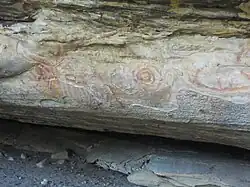
The park is the second largest archaeological site in Brazil and has been designated as a National Archaeological Heritage Site. Although the park's natural resources are administered by ICMBio (like other national parks), the archaeological site is overseen by the National Institute of Historic and Artistic Heritage (IPHAN).
History
The park was created as part of the Brazilian national parks system in 2002. It covers an area of 62,300 hectares.
The park lands were the traditional ancestral home of the Kapinawá, an indigenous culture of northeastern Brazil. The park adjoins Kapinawa lands and there are some Kapinawá living on the outskirts of the park.
Landscape
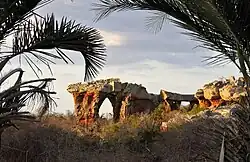
The landscape, known as a caatinga biome, is often regarded as desert-like, but it transforms dramatically depending on the season. When the first rains of the wet season start to fall, it becomes a lush verdant green with hillsides covered in young plants that have adapted to the "feast or famine" rainfall of the region. When the rains stop and the dry season returns, the green plants turn brown and cactus and thorny brush takes over the landscape.
The park is also known for its red and gray sandstone formations that have been carved by driving dry winds over millenia. The hills and canyon walls are perforated by thousands of caves, some deep, but most quite shallow.
Flora and fauna
Over 600 plant species have been identified in the park, including several dozen types of cactus.
Flying over the park, more than 190 species of birds have been recorded here, including the indigo macaw. Mammals include goats, deer, and many small species of rodents, in addition there are many endemic reptiles, including small lizards who thrive in the desert-like rocky hills.
Climate
Get in
The nearest large airport with international commercial service is in Recife (REC IATA).
By bus
From Recife, Progresso operates several buses per day to the town of Arcoverde, which is only a few minutes by taxi to the park entrance. The Progresso bus to Arcoverde takes about 4 hours and costs about R$100.
By car
You can rent a car in Recife and drive to the park, which is 290 km west of Recife via highway BR-232 to Arcoverde. In Arcoverde, you need to turn south toward Bulque and then look for the sign leading to the park entrance.
Fees and permits
No park entry fee. Guides can (and should) be hired at the park entrance starting at R$200 (negotiate with the guides to understand the terms like how long and for how much.
Get around
See
- 6,000 year old cave drawings
- spectacular rock formations
- caves
- vast desert landscapes
Do
- hike
- mountain bike
Buy
Eat
There are no restaurants within the park but they can be found in small towns outside the park.
Drink
Bring water. About 3 liters per person per day.